
Engineering Services

Engineering Services Overview

Wilson & Company delivers engineering services that shape how communities move, grow, and thrive. For more than 90 years, our engineers have planned, designed, and delivered infrastructure for state departments of transportation, cities and counties, Class I and shortline railroads, federal agencies, Tribal nations, utilities, and private industry. With more than 800 employees in offices across the Southwest, West, Midwest, and Rocky Mountain region, we bring national capability and local relationships to every project.

Types of projects

Our engineering teams work across civil, transportation, structural, railroad, water and wastewater, electrical, mechanical, and industrial and energy disciplines. That span enables us to take on projects of every size, from a single roundabout or bridge rehabilitation to multi-year interstate, rail terminal, and water system programs. Our engineers apply their craft across seven markets: energy, government, land & facilities, rail, transportation, tribal, and water.

We design highways, streets, and interchanges; bridges and structures; rail yards, terminals, and capacity improvements; water supply, treatment, and distribution systems; stormwater, drainage, and flood control facilities; and power, lighting, and building systems. Many clients rely on us through long-term on-call contracts, where our engineers serve as an extension of their staff.

How our practices work together

Engineering sits at the center of an integrated team. Our engineers work side by side with our architecture, planning, environmental, survey & geospatial, construction administration, funding, alternative delivery, and railroad field services practices. One team can carry a project from funding strategy and planning through survey, environmental clearance, design, and construction.

Because we operate as one company, any practice can serve clients in any market. That shared ownership means fewer handoffs and solutions that hold up from concept through construction. It reflects our culture of Higher Relationships: we listen first, collaborate across disciplines, and deliver outcomes our clients and communities value.

Civil Engineering

Our civil engineers plan, design, and deliver the infrastructure that communities depend on every day. We take projects from concept to completion across site planning, land development, transportation, drainage, utilities, and environmental resources. Whether the job is a neighborhood street reconstruction or a multi-mile urban corridor, we apply the same discipline to cost, schedule, and quality.

Many of our clients trust us year after year. We serve cities, counties, and state DOTs through long-term contracts across the West, Southwest, Rocky Mountains, and Midwest. That continuity means we know local standards, local permitting, and the people who approve the work.

We listen first. Our engineers work closely with clients and communities to understand their goals, then design solutions that last. We use current design technology and sustainable practices, so each project meets today’s standards and holds up for the next generation of users.

Types of work:

  • Roadway, street, and corridor design
  • Site planning and land development
  • Drainage, stormwater, and flood control
  • Utility design and coordination
  • ADA and multimodal improvements
  • On-call municipal engineering

Related projects

  • Coming soon

Back to top

Electrical Engineering

Wilson & Company’s electrical engineers design power, lighting, and control systems that keep facilities and communities running. We evaluate, design, and implement overhead and underground medium-voltage power distribution systems for public agencies, utilities, railroads, and industry.
Our lighting designers illuminate streets, sites, and buildings with precise calculations and energy-efficient fixtures. For new buildings, tenant finishes, and remodels, we design complete electrical systems that match the architectural vision. For heavy industrial facilities, we design power for large motors, machinery, conveyance systems, and custom equipment packages.
We also help owners get more from the systems they already have. Our engineers evaluate existing electrical systems, replace outdated equipment, reduce energy use, and bring facilities up to current codes. We perform arc flash, short circuit, and coordination studies that protect people and equipment. Our renewable energy work includes solar, wind, and geothermal systems, and we design instrumentation and controls for industrial automation, process control, and building automation.

Types of work:

  • Medium-voltage power distribution
  • Street, site, and building lighting design
  • Commercial and industrial electrical design
  • Electrical system upgrades and code compliance
  • Arc flash, short circuit, and coordination studies
  • Renewable energy systems
  • Instrumentation and controls

Related projects:

  • Coming soon

Back to top

Industrial and Energy Engineering

Wilson & Company helps industrial and energy clients run safer, more efficient, and more sustainable operations. We design fuel facilities, industrial parks, warehouses, transload sites, and renewable energy projects for railroads, shippers, manufacturers, utilities, and economic development agencies.
Our industrial work draws on the full strength of our engineering team. Civil, structural, electrical, mechanical, and railroad engineers work together on a single project, so a new facility receives its site, track, power, and building systems from a single, coordinated team. That integration saves our clients time, reduces conflicts in the field, and keeps operations running during construction.
Every client faces different challenges. We start by understanding your operations, goals, and commitments, then tailor solutions that improve throughput, reduce energy use, and strengthen your bottom line. We bring practical engineering and current technology to projects that power local and regional economies.

Types of work

  • Fuel storage, handling, and blending facilities
  • Industrial park and site development
  • Warehouse and industrial building renovation
  • Transload and intermodal facilities
  • Solar and renewable energy development
  • Economic feasibility studies and master plans

Related projects:

  • Coming soon

Back to top

Mechanical Engineering

Wilson & Company’s mechanical engineers design systems that keep buildings safe, healthy, and energy efficient. We focus on what users need: durable systems that are simple to operate and easy to maintain.
Energy costs for HVAC, lighting, and electrical systems add up over a facility’s life. Our engineers perform building condition assessments, evaluations, and energy audits that show owners where to invest. We use building energy modeling software and LEED concept planning to give clients the data they need to make informed decisions about their facilities.
Our certified Commissioning Process Providers perform functional testing and commissioning for MEP systems or the entire building design process. We join projects early, align our design with client needs, and bring ideas and a cooperative attitude to the whole team.
In major renovations, we investigate existing building systems in the field so we understand them fully before we design. That hands-on approach gives contractors clear connection points and keeps construction on track from start to finish.

Types of work

  • HVAC and plumbing design
  • Building condition assessments and evaluations
  • Energy audits and building energy modeling
  • LEED concept planning
  • Functional testing and commissioning
  • Renovation and retrofit design

Related projects

  • Coming soon

Back to top

Railroad Engineering

Rail projects demand precision, coordination, and a partner who understands the complexity of operating infrastructure. Wilson & Company gives freight railroads, shortline operators, passenger rail agencies, and rail industrial partners a single source for integrated rail transportation solutions that save time and money. Since 1989, we have built lasting relationships with Class I railroads, shortline railroads, passenger rail agencies, and shippers, including BNSF Railway, Union Pacific Railroad, CPKC, and Alaska Railroad.

Our railroad engineers design capacity improvements, yards, intermodal and automotive facilities, and new and rehabilitated railroad bridges. We manage utility installations across railroad property through our Utility Inspector Coordinator (UIC) program, and we help railroads implement sustainability and climate action plans. When federal funding is on the table, we help railroads and public partners prepare competitive Consolidated Rail Infrastructure and Safety Improvements program (CRISI) and other grant applications.

Freight rail rarely works in isolation. We coordinate with local, state, and federal agencies to integrate freight movement with highways, roadways, commuter rail, and passenger rail, from grade separations and crossing studies to shared-corridor programs.

Types of work

  • Mainline capacity and double track improvements
  • Yard, terminal, and intermodal facility design
  • Railroad bridge engineering
  • Grade separations and highway-rail crossing studies
  • Passenger and commuter rail design
  • Utility Inspector Coordinator (UIC) program
  • Federal grant support, including CRISI

Related projects

  • Coming soon

Back to top

Structural Engineering

Wilson & Company’s structural engineers bring bridges, buildings, and one-of-a-kind structures to life. We design, analyze, inspect, and retrofit highway and railroad bridges, pedestrian and bicycle bridges, buildings, architectural facades, retaining and sound walls, and industrial facilities.

Our bridge work ranges from preventive maintenance and rehabilitation to full replacements and design-build bundles. We know the technical approval processes that DOTs and Class I railroads require, which keep complex overpasses and grade separations moving. For buildings, we assess existing structures, evaluate their remaining service life, and design upgrades to extend a facility’s useful life.

We work closely with project owners, architects, contractors, and communities so each design fits the client’s goals and the site’s constraints. Safety, efficiency, sustainability, and cost-effectiveness guide every decision. The result is a structure that performs for decades and gives the community something to be proud of.

Types of work:

  • Highway and railroad bridge design
  • Pedestrian and bicycle bridges
  • Bridge inspection, load rating, and rehabilitation
  • Building structural design and assessment
  • Retaining walls, sound walls, and facades
  • Industrial and specialty structures

Related projects:

  • Coming soon

Back to top

Water/Wastewater/Reuse

Wilson & Company delivers the full spectrum of water engineering for municipal, regional, rural, and wholesale systems. We design water storage, supply, treatment, and distribution systems, along with wastewater collection, treatment, and reuse facilities that protect public health and support growth.

Our engineers design cost-effective, sustainable solutions that meet regulatory and legal requirements, applicable codes, and community needs. We move each project through planning, design, and construction on schedule, with close attention to the physical environment and to the operators who will run the system every day.

Water is one of the most valuable resources, and our clients plan decades ahead. We help growing cities expand treatment capacity, route new interceptors and force mains, and put treated effluent back to work through reuse. Our civil, mechanical, and electrical engineers work as one team, so each facility operates reliably from the day it opens.

Types of work

  • Water supply, storage, and distribution
  • Water and wastewater treatment facilities
  • Sewer collection, interceptors, force mains, and lift stations
  • Effluent reuse systems
  • Managed aquifer recharge
  • Utility master planning

Related projects:

  • Coming soon

Back to top

Water Resources

Wilson & Company’s water resources engineers protect people, property, and infrastructure from flooding while making the most of every drop. We plan and design dams, detention basins, channels, storm sewer systems, and floodplain improvements for cities, counties, and flood control authorities.

Our work starts with the numbers. Our engineers perform hydrologic and hydraulic analysis, 2D modeling, dam breach and inundation studies, and FEMA floodplain mapping and LOMRs that show clients exactly where the risk lies. We then design solutions that fit the watershed, from neighborhood drainage fixes to regional flood control dams.

Many of our clients trust us with long-term stormwater on-call work. We also help communities fund resilience projects by preparing FEMA BRIC and Flood Mitigation Assistance applications. Our water resources team works alongside our civil, structural, environmental, and survey professionals, so each project moves from study to construction with one coordinated team.

Types of work

  • Water supply, storage, and distribution
  • Water and wastewater treatment facilities
  • Sewer collection, interceptors, force mains, and lift stations
  • Effluent reuse systems
  • Managed aquifer recharge
  • Utility master planning

Related projects

  • Coming soon

Back to top

How Practice Areas Work Together

One team, every discipline

When you hire Wilson & Company, you get one team that covers every discipline your project needs. Our engineers, architects, planners, surveyors, environmental experts, funding specialists, and construction managers work for the same company, under the same standards, toward the same goal. That structure saves our clients time and money and delivers better results.

Integrated project delivery

Most infrastructure projects touch many disciplines. A new bridge needs survey, hydraulics, structural design, roadway tie-ins, environmental clearance, utility coordination, and construction oversight. Many firms assemble those pieces from separate subconsultants. We deliver them in-house.
Our practices share one project management system and one culture of Higher Relationships. Designers in different practices sit on the same project from day one, so they catch conflicts early and solve them together. We also deliver through alternative methods, serving as lead designer on design-build teams and as owner’s engineer for agencies that manage design-build programs.

Cost savings

Fewer handoffs mean fewer surprises, and fewer surprises mean lower costs. Our integrated teams have produced measurable savings for clients:

Efficient process

Our integrated model carries a project through every phase without changing teams:

  1. Fund: our funding specialists identify grants and prepare competitive applications.
  2. Plan: planners and engineers define the problem, study alternatives, and engage the community.
  3. Survey and map: our survey and geospatial team collects the data every designer uses.
  4. Clear: environmental scientists manage permitting and clearance alongside design, not after it.
  5. Design: engineers and architects across practices produce one coordinated set of plans.
  6. Build: our construction administration team protects the design intent in the field.

Each step hands off to people who already know the project. That continuity shortens schedules, reduces rework, and gives clients one team accountable from start to finish.

Project Experience

These projects show what happens when our engineering practices take on a community’s toughest challenges together: aging bridges replaced ahead of schedule, a downtown corridor rebuilt for people, and new stability for an old interstate.

MoDOT Fixing Access to Rural Missouri (FARM) Bridge Program Design-Build

Wilson & Company is the lead design firm on the Fixing Access to Rural Missouri (FARM) Bridge Program Design-Build Project.

Problem: Thirty-one rural bridges across 15 Missouri counties had reached the end of their service life. The bridges carried weight restrictions, sat on timber piles, or squeezed two-way traffic onto a single lane. Farmers and rural communities lost direct access to the roads they depend on.

Solution: As lead designer, we replaced all 31 bridges in under two and a half years and finished one month ahead of schedule. Our engineers used innovative details, including galvanized steel girders and monolithic approach slabs, that cut future maintenance and give the new bridges up to a 100-year service life. Early material procurement and an expanded steel market offset a 20% jump in material costs. The program earned a DBIA Award of Merit and the AGC of Missouri Keystone Award.

Read more about the FARM bridge project


Connecting Auraria, Larimer Street Bridge, Denver, CO

The Connecting Auraria project replaced the aging Larimer Street bridge over Cherry Creek and improved the roadway for all modes of travel.

Problem: The aging Larimer Street bridge over Cherry Creek no longer served the thousands of students, cyclists, and pedestrians moving between the Auraria Campus and downtown Denver. The City envisioned a people-focused transportation solution to accommodate this iconic and dynamic corridor.

Solution: We replaced the bridge and redesigned the full corridor with a two-way protected bike facility, wide sidewalks, and high-visibility crossings at Speer Boulevard. A curbless street design gives Denver DOTI the flexibility to change how the space works as needs evolve. Clearly defined zones for walking, biking, and limited vehicle access, paired with enhanced interface controls, support safe, easy-to-navigate movement for all users. The project earned the APWA 2024 Project of the Year award.

Read more about the Connecting Auraria bridge project

The project included upgraded ramps at the Cochiti Interchange and installing an Intelligent Transportation System (ITS) for enhanced roadway monitoring.


NMDOT I-25 Slope Mitigation and Roadway Improvements (La Bajada), NM

Problem: Unstable soils were undermining I-25 at La Bajada Hill, a 3.5-mile stretch between mileposts 264 and 267.5. More than 40,000 vehicles a day use this corridor between Albuquerque and Santa Fe. Aging pavement, seepage on the fill slopes, and outdated interchange ramps added to the safety risk.

Solution: We completed the final design and introduced a soil stabilization method never before used in New Mexico: 1,000 soil-mix columns, 10 feet in diameter and up to 50 feet deep, beneath 1.5 miles of roadway. A load transfer platform on top of the columns supports the pavement and enables electronic monitoring of settlement over time. The team widened the interstate from five to six lanes, upgraded drainage for surface and subsurface flows, rebuilt the Cochiti Interchange ramps, and added ITS fiber and a Road Weather Information System. Wilson & Company also provided survey and drainage design. The $40 million project finished six months ahead of schedule and $3.5 million under budget. It earned the 2025 ACEC New Mexico Grand Conceptor Award, the ACEC New Mexico People’s Choice Award, and an ACEC National Recognition Award.

Learn more about the New Mexico slope mitigation and roadway improvements project
Engineering Process

How we deliver

While every project is unique, the most successful ones follow a clear path from the first question to the final inspection. One team guides you through each step, so decisions made early are carried through to construction.

  1. Project evaluation: We start by understanding the problem. Our engineers assess existing conditions, gather data, and define what success looks like with you. We perform condition assessments, feasibility studies, and alternatives analyses, and our funding specialists identify grants that can make a project possible.
  2. Planning and design: Next, we turn the best alternative into a buildable plan. Our survey team collects the base data, and our engineers develop designs that meet codes, budgets, and community needs. We engage the public early and bring practical, innovative solutions to the table.
  3. Multi-practice coordination: Our practices work as one team throughout design. Structural, civil, water resources, electrical, mechanical, environmental, and survey professionals share ownership of a single project. They catch conflicts early, clear permits alongside design, and keep the schedule moving.
  4. Delivery: We match the delivery method to your project’s needs. We deliver traditional design-bid-build projects, and we serve as lead designer on design-build teams, designer on CM/GC projects, and owner’s engineer for agencies managing their own alternative delivery programs.
  5. Construction support: Our involvement continues in the field. Our construction administration, management, and inspection teams answer contractor questions, review submittals, test materials, and protect the design intent.

FAQ About Engineering Services

What engineering services do you offer?

Wilson & Company offers civil, electrical, industrial and energy, mechanical, railroad, structural, water and wastewater, and water resources engineering. Our engineers plan, design, and support construction for roadways, bridges, rail facilities, water systems, stormwater and flood control, and building systems. We also provide architecture, planning, environmental, survey and geospatial, funding, and construction administration services, so one firm can cover each project’s unique needs.

How do engineering practice areas work together?

Our practice areas collaborate and share ownership of a project. Engineers from each discipline join the project early, share one set of plans, and solve conflicts before they reach the field. Because every practice belongs to the same company, you get fewer handoffs, faster decisions, and one point of accountability.

What industries do you specialize in?

We serve seven markets: energy, government, land & facilities, rail, transportation, Tribal, and water. Our clients include state departments of transportation, cities and counties, Class I and shortline railroads, passenger rail, federal agencies, Tribal nations, utilities, and private industry.

What is the typical project process?

Most projects follow five steps: project evaluation, planning and design, multi-practice coordination, delivery, and construction support. We start by understanding your goals and existing conditions, then develop and refine a design with input from every discipline. We deliver through traditional or alternative methods and stay involved through construction to protect the design intent.

Where do you work?

Wilson & Company has offices across the West, Southwest, Rocky Mountain region, and Midwest, and our teams support clients nationwide. Our local offices provide clients with engineers who know regional standards, permitting, and local communities, backed by the resources of a national firm.

Do you offer on-call engineering services?

Yes. Many cities, counties, state DOTs, and railroads rely on us through on-call contracts. These contracts give clients quick access to our full range of engineering services without a separate procurement for each project, and our engineers work as an extension of the client's staff.

Do you support design-build and other alternative delivery methods?

Yes. We serve as lead designer on design-build teams, designer on CM/GC projects, and owner's engineer for agencies that manage their own alternative delivery programs. We also deliver traditional design-bid-build projects and help clients choose the method that fits their schedule, budget, and risk.

Can you help us find funding for a project?

Yes. Our funding specialists identify federal, state, and local grant opportunities and prepare competitive applications. We connect funding strategy to engineering early, so the project you apply for is the project you can build.

How do we start a project with Wilson & Company?

Contact our team to talk through your goals, schedule, and budget. We will connect you with the right office and practice leaders and recommend next steps, whether that is a feasibility study, a full design, or support on a project already underway.

Why Wilson & Company

We bring people together to practice their craft, to create value, and to accomplish great things. For more than 90 years, Wilson & Company has delivered infrastructure solutions that our clients trust. Our more than 800 employees include civil, transportation, structural, water resources, railroad, mechanical, and electrical engineers, supported by surveyors, architects, planners, environmental experts, and construction inspectors. That depth enables us to staff complex programs in-house and move quickly when schedules tighten. With 16 offices in nine states, our local teams know regional standards, permitting, and communities, and they draw on staff from across the company when a project needs more. We are large enough to deliver major programs and focused enough to know every client by name. Senior leaders stay engaged from pursuit through closeout, and our culture of Higher Relationships guides every project: we listen, collaborate across practices, and take shared ownership of your results.

RELATED PROJECTS

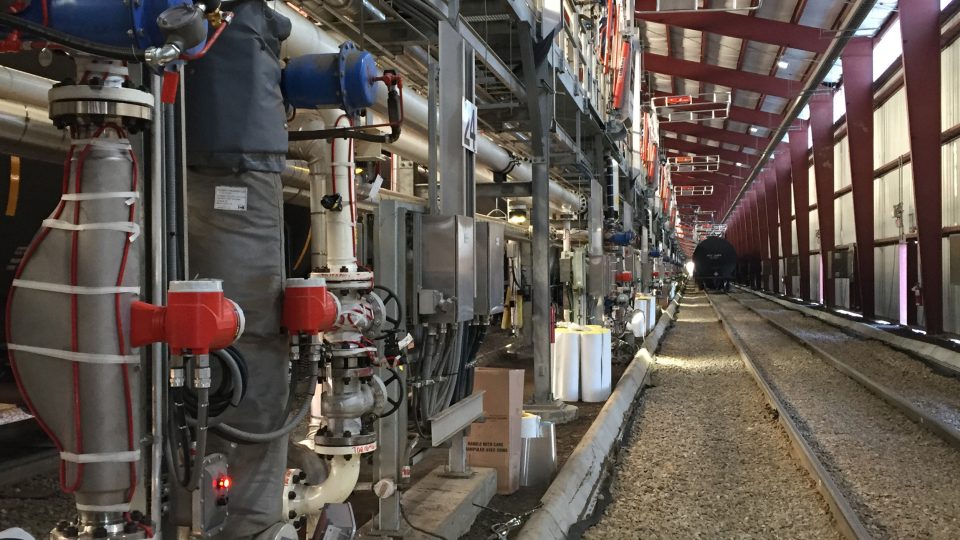
Heartwell Renewables Diesel Unloading/Loading Facility

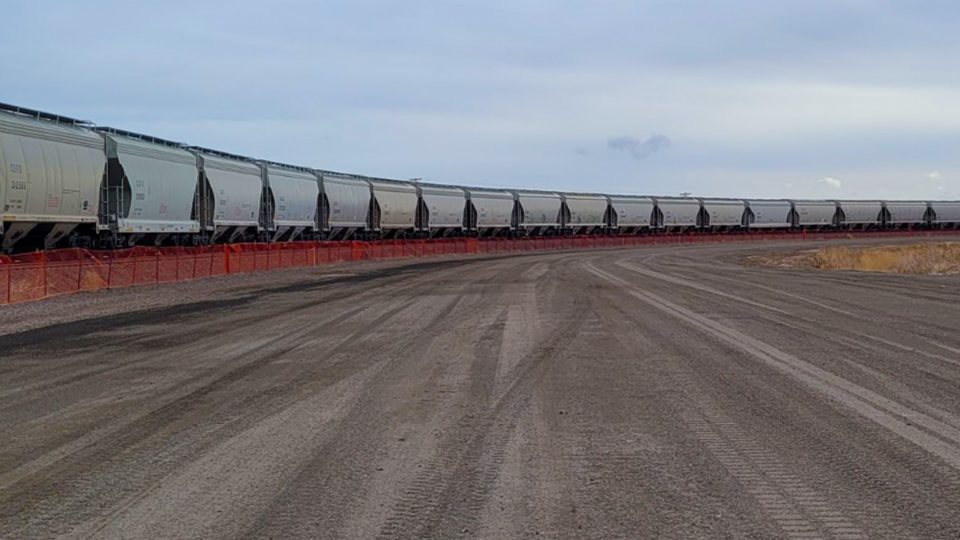
USD Hardisty Terminal Expansion

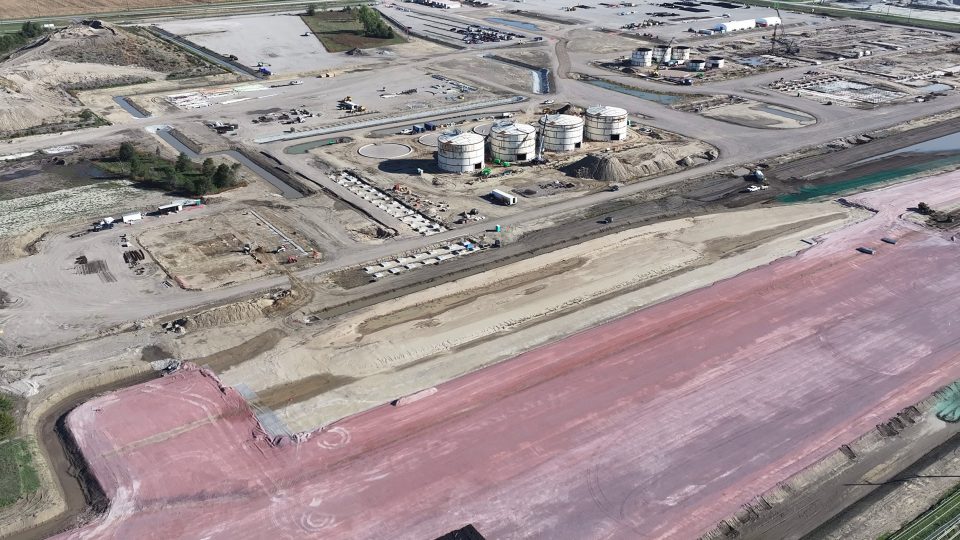
BNSF Hudson Logistics Center

Let's Build What's Next

Whether you have a question, a project ready to go, or a selection process underway, our engineers are ready to help. Connect with us today.