
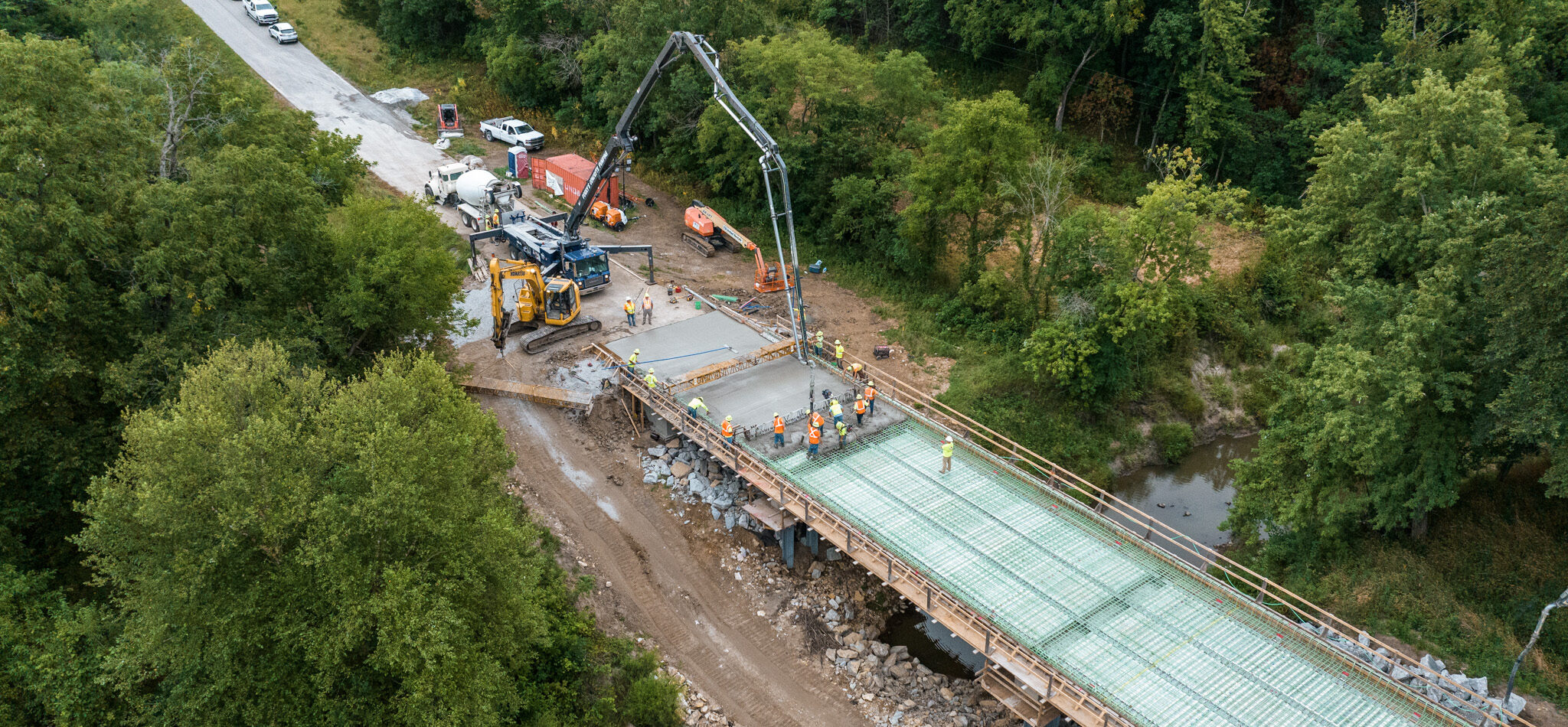
Wilson & Company’s nationally recognized design-build leadership and engineering innovation continue to set a benchmark for rural infrastructure delivery, as Missouri’s Fixing Access to Rural Missouri (FARM) Bridge Program earns prestigious honors at both the national and regional levels. Most recently, the program received the 2025 Best in Small Project National Award of Merit from the Design-Build Institute of America (DBIA), recognizing a project that delivered safer, longer-lasting, and more efficient bridge infrastructure for rural communities across the state.
Completed in September 2023, the $21.5 million Missouri Department of Transportation (MoDOT) design-build initiative replaced 31 deteriorating, weight-restricted bridges across 15 counties in Missouri’s Northwest and Northeast Districts. Since its completion, the program has received multiple industry awards, including the 2025 ACEC Missouri Engineering Excellence Honor Award and the 2024 DBIA Mid-America Region Civil Infrastructure & Innovation Excellence Award. Together, these honors highlight the program’s technical excellence, cost efficiency, and meaningful community impact, which was mainly driven by the strategic application of the Simple for Dead Load–Continuous for Live Load (SDCL) steel girder methodology and the efficiencies enabled through design-build delivery.
How SDCL and design-build delivered results
A defining innovation of the FARM Bridge Program was the use of the SDCL steel girder design methodology, which balances constructability, durability, and speed. The method allows bridge spans to behave as simple for dead load during construction, while performing as continuous for live load once in service, improving long-term structural performance.
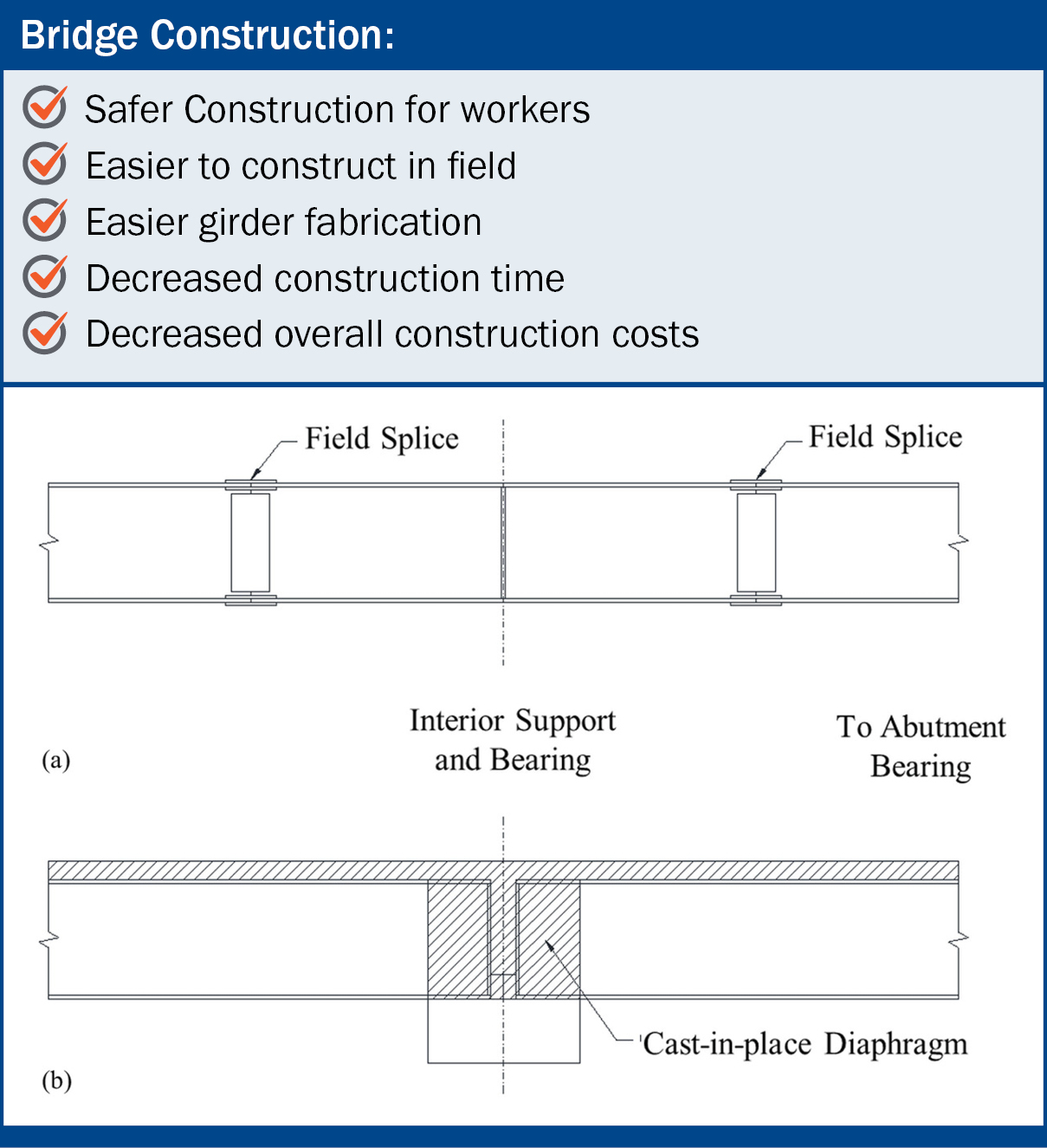
By eliminating bolted field splices, the team significantly reduced fabrication and erection time while expanding the pool of eligible steel fabricators. This was an important advantage during the unpredictable post-COVID construction market.
“The SDCL method allowed us to eliminate field splices and open steel beam fabrication to more suppliers,” said Garrett Hummel, Vice President, Alternative Delivery Program at Wilson & Company, who led the effort alongside project partners, Capital Materials, Hg Consult, and Terracon. “That flexibility was key to keeping costs down and maintaining schedule certainty.”
The use of lighter girders also reduced crane requirements and minimized the need for roadway grade raises, allowing MoDOT and the team to replace more bridges within the available budget. Combined with optimized construction sequencing, these strategies enabled the entire program to be delivered in under two and a half years, finishing ahead of schedule and within budget, despite ongoing supply chain and pricing challenges.
Building safer, stronger, longer-lasting bridges
Many of the original structures were aging, one-lane bridges on rural two-lane roads that were often load-posted and increasingly unsafe for agricultural equipment, school buses, and emergency vehicles. Even a single bridge failure can be detrimental to a rural community’s connectivity and economy.
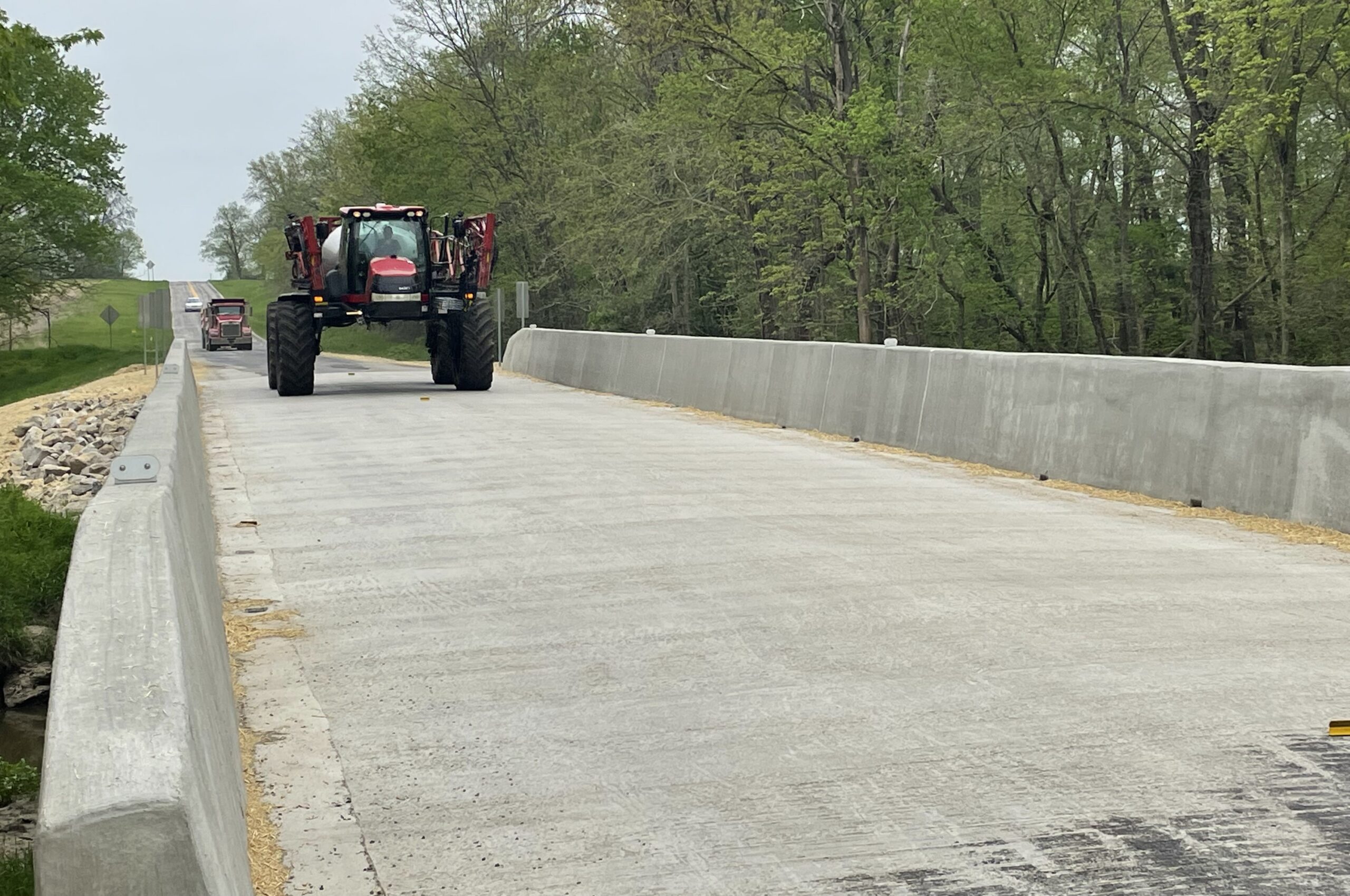
The replacement bridges were designed for a 100-year service life and incorporate durable, low-maintenance features, including:
- Galvanized steel girders
- Continuous concrete decks without joints
- Friction H-Pile foundations to reduce costs and construction time
- Reinforced concrete box culverts at select locations to further minimize future maintenance needs
These design decisions not only improved safety and load capacity but also reduced long-term ownership costs for MoDOT.
Minimizing the disruption in rural communities
Public convenience remained a priority throughout construction. The efficiencies gained through SDCL allowed for shorter full road closures, supported by carefully planned detours and proactive communication with local residents. Additional innovations, such as single-stage abutment caps, reusable traffic signage, and hydronic heat technology for winter concrete placement, helped maintain momentum through seasonal challenges while keeping communities informed and connected.
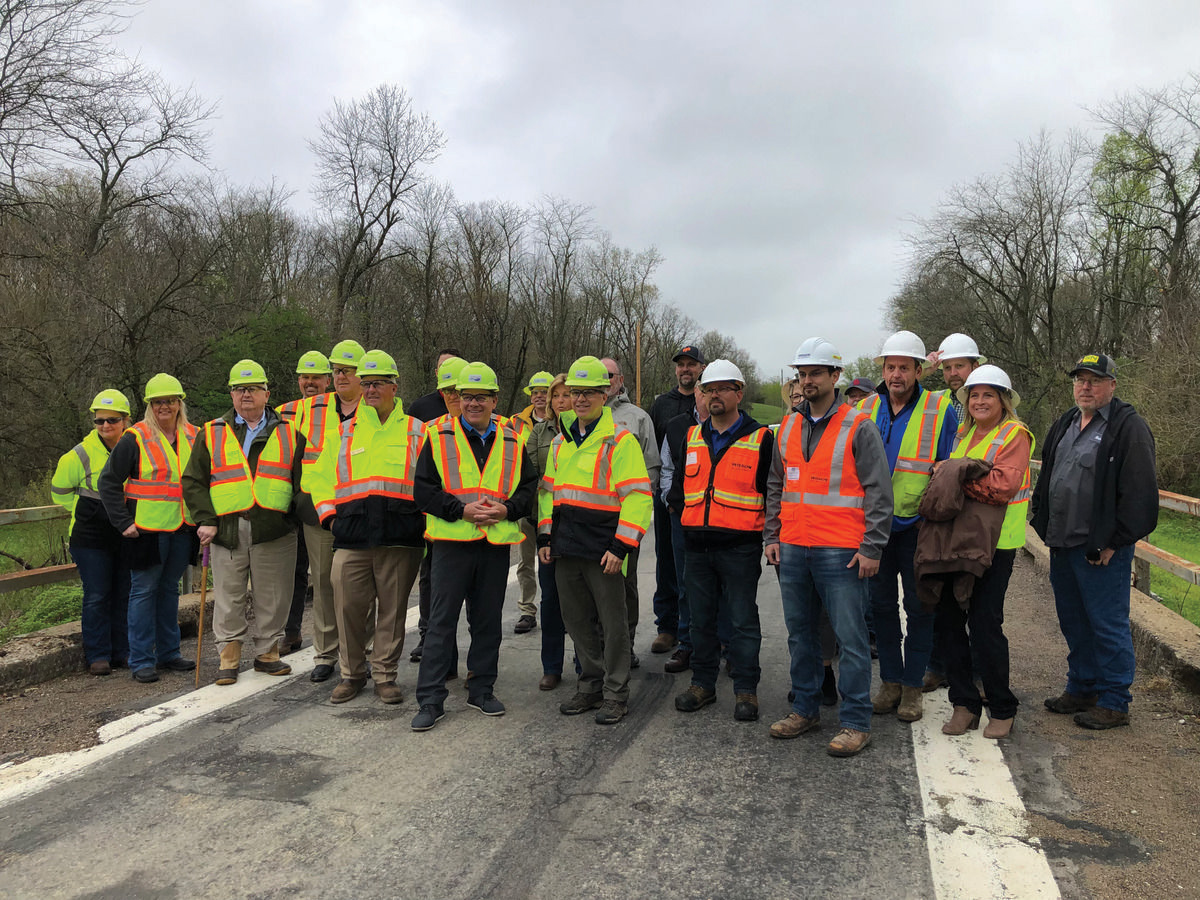
Missouri’s 6th Congressional District US Representative Sam Graves underscored the importance of the program’s impact upon project completion:
“Rural roads and bridges matter because they are critical for farmers transporting grain and livestock to market, children taking buses to school, and first responders reaching emergencies in time.”
The completed bridges now support safer travel, improved traffic flow, and reliable access for agriculture, emergency services, and freight. These improvements are strengthening the region’s economy and quality of life.
A model for future rural infrastructure delivery
From initial planning through final construction, the FARM Bridge Program exemplifies what is possible when innovative engineering and collaborative design-build delivery are aligned with clear public needs. By combining SDCL methodology with cost-conscious decision-making and strong partnerships, the project team delivered infrastructure that will serve Missouri’s rural communities for generations.
Wilson & Company extends its appreciation to MoDOT, Capital Materials, Paving & Construction, Hg Consult, and Terracon for their collaboration and commitment to excellence. MoDOT’s leadership and shared vision were instrumental in setting a new standard for rural bridge programs, one that demonstrates how thoughtful innovation can deliver lasting value to communities statewide and beyond.